
Disability and Employment – Busting the Myths
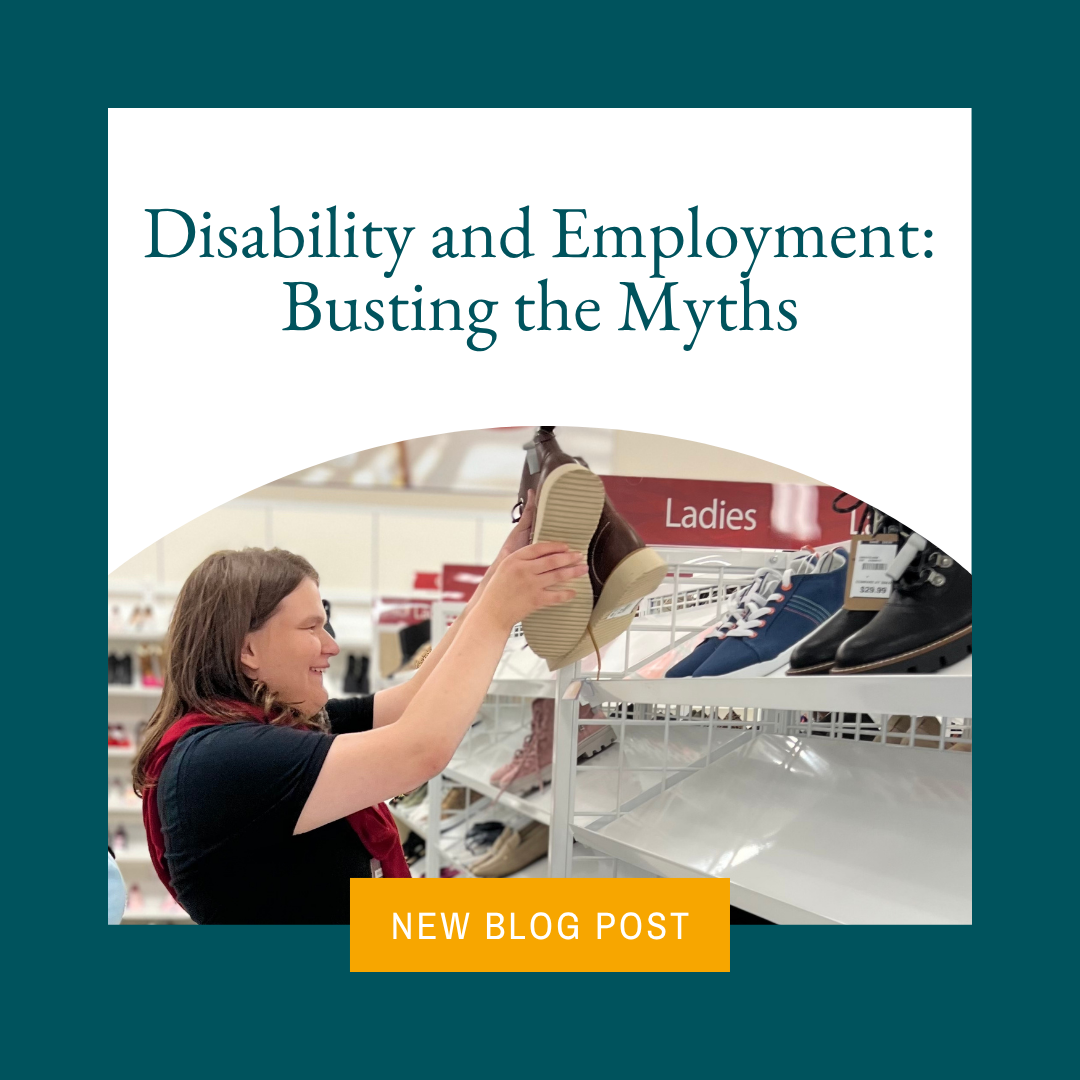
Employment is one of the most misunderstood areas of disability inclusion. Despite progress since the Americans with Disabilities Act (ADA) was passed in 1990, stereotypes and misconceptions still persist. These myths not only hurt individuals with disabilities—they also prevent businesses from accessing a talented, motivated, and innovative workforce.
Let’s set the record straight by addressing some of the most common myths about disability and employment.
Myth 1: Hiring people with disabilities is expensive.
Fact: Most accommodations cost very little—or nothing at all.
According to the Job Accommodation Network (JAN), more than half of all accommodations cost nothing to implement. For those that do have a price tag, the average one-time cost is less than $500. Simple adjustments—like flexible scheduling, screen-reading software, or providing written instructions—can empower employees to do their best work without breaking an employer’s budget.
Myth 2: People with disabilities can’t handle demanding jobs.
Fact: Employees with disabilities often excel in adaptability, creativity, and problem-solving.
Living with a disability often requires navigating barriers, developing resilience, and finding creative solutions—all of which are invaluable skills in today’s fast-paced workplace. Whether in healthcare, technology, education, or business, people with disabilities are thriving in careers that demand high performance and leadership.
Myth 3: Disability inclusion only benefits individuals with disabilities.
Fact: Inclusive workplaces benefit everyone.
Studies consistently show that diverse teams drive innovation. By hiring inclusively, companies build a culture where all employees feel valued and supported. Accessibility features like captions on training videos or ergonomic office setups help the entire workforce, not just employees with disabilities. Beyond that, companies that prioritize disability inclusion see improved retention, employee morale, and brand reputation.
Myth 4: People with disabilities aren’t interested in working.
Fact: Many people with disabilities want to work—but face systemic barriers.
Transportation challenges, inaccessible application systems, and employer bias often keep qualified candidates from even getting through the door. When workplaces commit to accessibility and inclusive hiring practices, they open the door to a large, motivated talent pool.
Why Inclusive Hiring Matters
Hiring people with disabilities isn’t charity—it’s smart business. It widens the talent pipeline, reflects the diversity of customers, and builds a stronger, more resilient workplace culture. As one of the largest minority groups in the U.S., people with disabilities represent a powerful community of workers and consumers. When employers embrace disability inclusion, everyone wins.
