
Everyday Ableism – What It Looks Like (and How to Stop It)
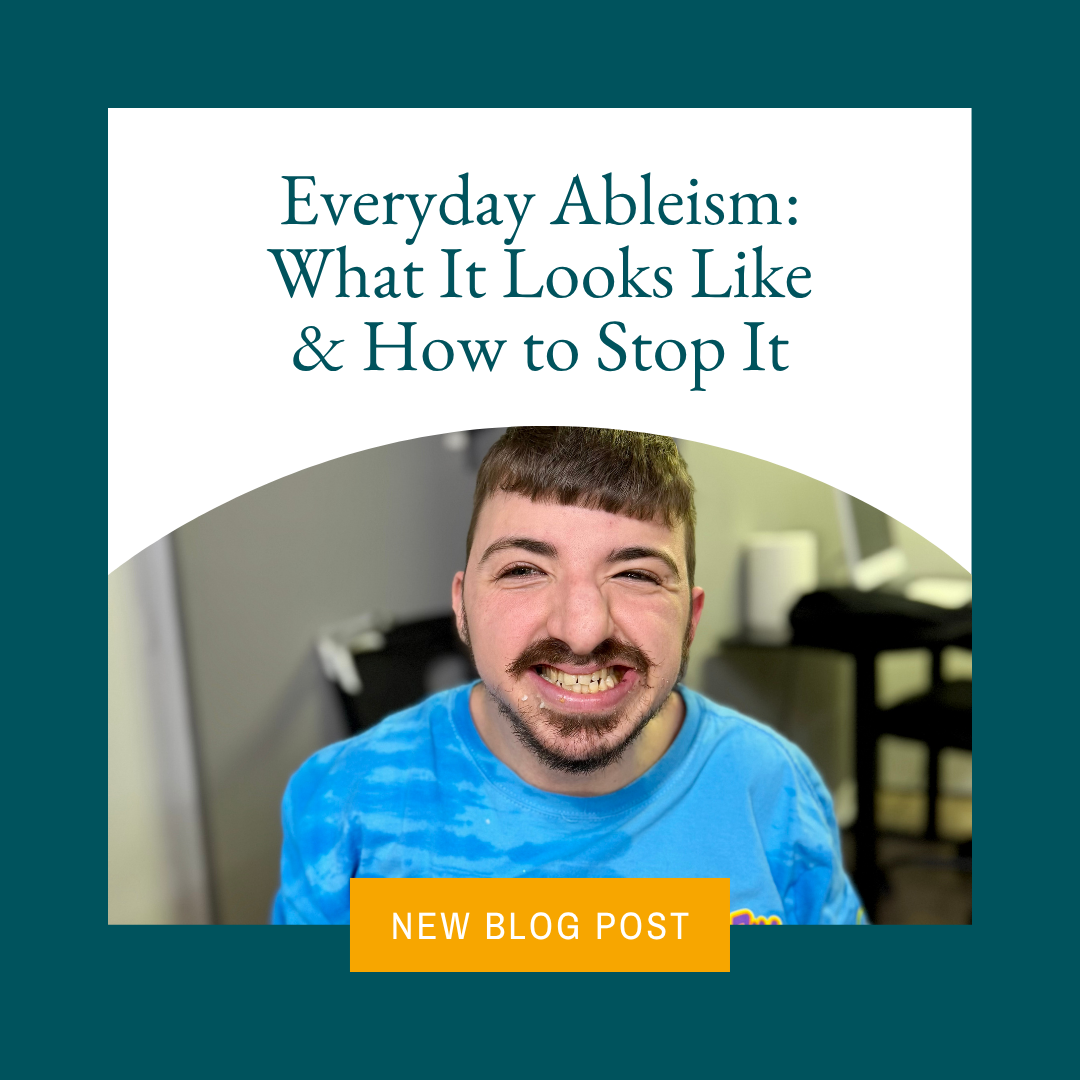
Most people are familiar with the term racism or sexism, but fewer know the word ableism. Ableism is discrimination or prejudice against people with disabilities, and it can show up in ways both obvious and subtle. Even well-meaning people sometimes participate in ableism without realizing it. By recognizing it, we can all take steps to create a more inclusive culture.
What Is Ableism?
Ableism is rooted in the belief that people with disabilities are “less than” or that their lives are inherently worse. It can be intentional, like excluding someone from an activity because of their disability, or unintentional, like using language that reinforces stereotypes.
Examples of Everyday Ableism
Assumptions About Ability: Assuming a person with a disability can’t do something—or conversely, acting surprised when they can—is ableist. Comments like “You’re so inspirational for just living your life” may seem like compliments, but they reduce a person’s identity to their disability.
Language That Hurts: Common phrases like “confined to a wheelchair” or using words like “crazy” or “lame” as insults reinforce negative views of disability. A wheelchair, for instance, isn’t confining—it provides freedom and independence.
Exclusion in Design: Hosting an event in an inaccessible building or failing to provide captions on a video is ableism in action. These oversights send the message that people with disabilities weren’t considered in the planning process.
Overcoming Narratives: Media often portrays people with disabilities as “heroes” for doing everyday things, framing disability as something to overcome. While resilience is admirable, these narratives can strip away individuality and humanity.
Social Interactions: Talking to a caregiver instead of addressing the person directly, ignoring someone who communicates differently, or avoiding eye contact are all subtle but harmful forms of ableism.
How to Challenge Ableism
• Listen and Learn: Center the voices of people with disabilities when learning about inclusion.
• Check Your Language: Use respectful terms and avoid stereotypes.
• Design Inclusively: From websites to events, think about accessibility at every stage.
• Speak Up: If you see ableism—whether it’s a joke, a comment, or a policy—challenge it.
• Model Inclusion: Small acts, like making sure everyone has a seat at the table, add up to cultural change.
Why It Matters
Ableism, whether intentional or not, creates barriers to full participation in society. Recognizing and addressing it isn’t about political correctness—it’s about dignity, respect, and equality. Every step toward dismantling ableism helps build a more inclusive world where people with disabilities are valued for their full humanity, not just their differences.
