
5 Everyday Barriers People with Disabilities Face
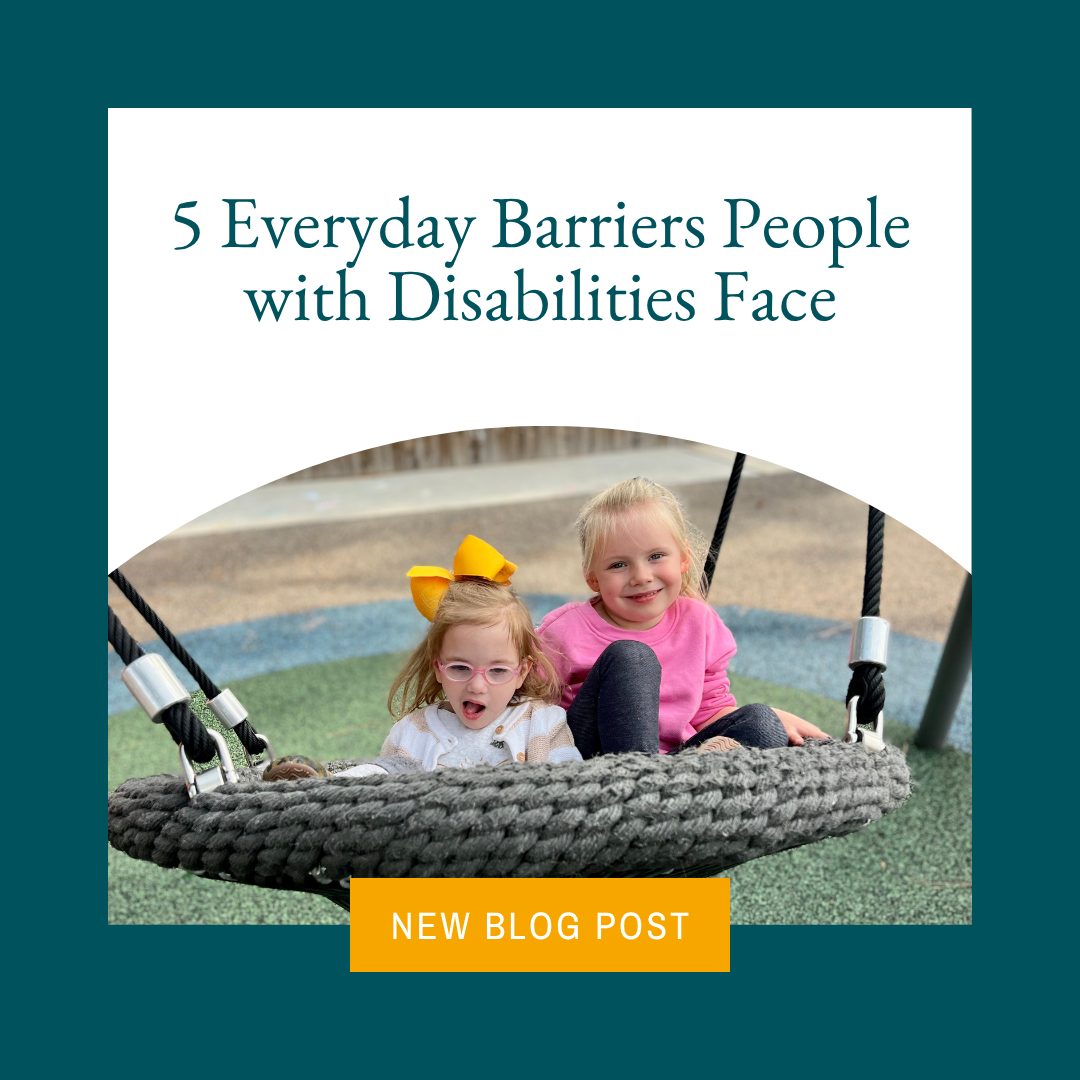
When we think of barriers for people with disabilities, the first image that often comes to mind is a staircase without a ramp. While physical obstacles are very real, the barriers people with disabilities face every day go far beyond architecture. Many of them are invisible to those who don’t experience them firsthand. By learning about these barriers, we can all take steps to make our communities more inclusive and accessible.
1. Physical Barriers
This is the most obvious category, but it’s still widespread. Uneven sidewalks, narrow doorways, inaccessible restrooms, and lack of elevators can prevent someone from getting where they need to go. Even small obstacles—like tables placed too close together in a restaurant—can make daily life harder. These are often unintentional, but they send a message: “This space wasn’t designed with you in mind.”
What helps: Universal design. When spaces are planned with accessibility at the forefront, everyone benefits—whether it’s a parent pushing a stroller, a traveler with rolling luggage, or a person using a wheelchair.
2. Digital Barriers
In today’s world, access to digital spaces is just as important as physical ones. Websites without screen reader compatibility, videos without captions, or documents not formatted for accessibility can exclude people who are blind, deaf, or have learning differences. Imagine being unable to apply for a job because the online form isn’t accessible—that’s a barrier most of us never consider.
What helps: Web accessibility standards, like providing alt-text for images, ensuring proper color contrast, and offering captions or transcripts for video and audio.
3. Attitudinal Barriers
Perhaps the hardest barriers to overcome are the ones in people’s minds. Stereotypes, biases, and misconceptions about disability create exclusion even when spaces are technically accessible. Assuming someone with a disability can’t work, can’t participate, or needs pity rather than respect are forms of attitudinal barriers.
What helps: Education and exposure. When people learn more about disability and get to know individuals with disabilities, stereotypes begin to fade. Language matters too—respectful, person-first or identity-first language (depending on personal preference) reinforces dignity.
4. Communication Barriers
Communication isn’t one-size-fits-all. Without interpreters, captions, large print, or plain-language materials, people with disabilities may be excluded from vital information. For example, a deaf individual attending a community meeting without ASL interpretation might miss their chance to participate in decisions that affect them.
What helps: Offering information in multiple formats, providing interpreters when requested, and ensuring technology supports various communication needs.
5. Policy Barriers
Sometimes the largest barriers are systemic. Outdated laws, lack of enforcement of existing regulations, or policies that don’t consider accessibility create inequities in education, healthcare, housing, and employment. Even with the Americans with Disabilities Act (ADA), gaps still exist in practice.
What helps: Advocacy and accountability. Stronger enforcement of accessibility standards and inclusive policies at every level of government and business can remove these structural obstacles.
Moving Toward a Barrier-Free World
Barriers—whether physical, digital, attitudinal, communication-based, or policy-driven—don’t just inconvenience people with disabilities. They send the message that inclusion isn’t a priority. The good news is that every barrier can be addressed with intentional design, awareness, and advocacy. When we break down these walls, we don’t just create a more accessible world for people with disabilities—we build stronger, more welcoming communities for everyone.
